





 Tuesday, 28-07-26








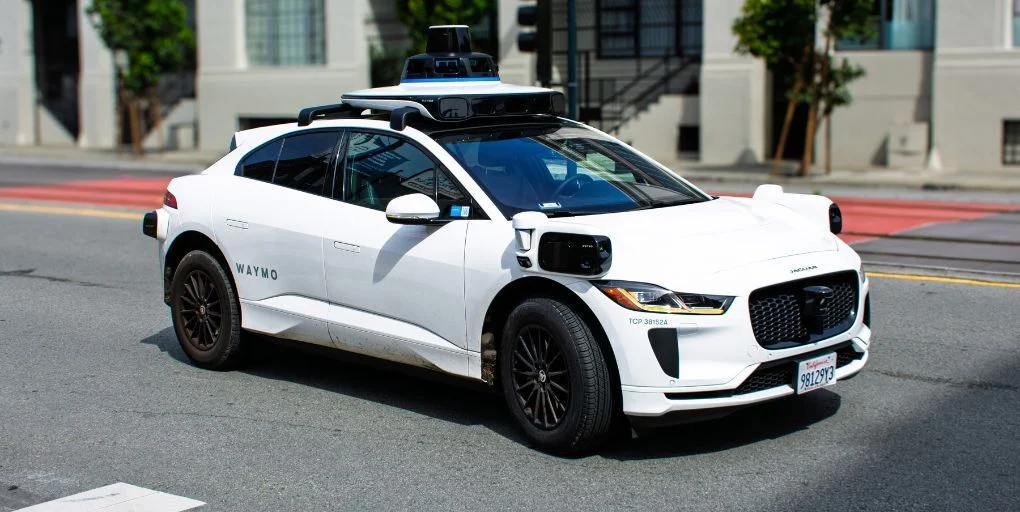
The future of urban transportation in the United Kingdom is entering a transformative phase as the London Robotaxi Service edges closer to reality. With Waymo initiating early-stage testing in the city, London is positioning itself as a key battleground for autonomous vehicle innovation in Europe.
The development of the London Robotaxi Service reflects a broader global shift toward autonomous mobility solutions. Cities worldwide are exploring how self-driving technology can reduce congestion, improve safety, and reshape public transportation systems. London, with its dense population and complex road network, presents both an opportunity and a challenge for such innovations.
Waymo’s Entry Marks a Milestone for the London Robotaxi Service
The involvement of Waymo, one of the most advanced autonomous vehicle companies globally, marks a significant milestone for the London Robotaxi Service. Known for its extensive testing and commercial deployments in the United States, Waymo brings both technological expertise and operational experience to the UK market.
The company has begun preliminary testing in London, focusing on mapping and data collection. These initial steps are crucial for understanding the city’s unique driving conditions, which include narrow streets, heavy traffic, and a high volume of pedestrians and cyclists.
The London Robotaxi Service requires a deep level of localization. Autonomous vehicles must be trained to navigate not only physical infrastructure but also local driving behaviors and regulations. London’s road system, with its historical layout and varying traffic patterns, adds an additional layer of complexity.
Waymo’s approach to the London Robotaxi Service involves a phased rollout. Early testing will be followed by more advanced trials, potentially including fully autonomous operations under controlled conditions. This gradual progression is designed to ensure safety and build public trust.
Regulatory Landscape and Government Support
One of the key factors influencing the development of the London Robotaxi Service is the regulatory environment. The UK government has been proactive in creating a framework that supports autonomous vehicle innovation while maintaining safety standards.
Recent policy initiatives aim to enable commercial autonomous services in the coming years. These regulations cover aspects such as liability, insurance, and operational guidelines, providing clarity for companies looking to deploy robotaxi services.
The London Robotaxi Service is expected to benefit from this supportive regulatory approach. By establishing clear rules and encouraging innovation, the UK is positioning itself as a leader in the autonomous vehicle sector.
However, regulation also presents challenges. Ensuring safety in a real-world environment requires rigorous testing and validation. Authorities must balance the need for innovation with the responsibility to protect public safety.
Public perception is another important factor. The success of the London Robotaxi Service will depend not only on technological capabilities but also on public acceptance. Transparent communication and demonstrated safety will be critical in building confidence among users.
Challenges of Deploying Autonomous Vehicles in London
Despite the progress, the London Robotaxi Service faces significant challenges. London is one of the most complex urban environments in the world, with a mix of modern infrastructure and historic streets.
Traffic congestion is a major issue. Autonomous vehicles must be able to operate efficiently in crowded conditions, making real-time decisions in dynamic environments. This requires advanced sensors, algorithms, and data processing capabilities.
Weather conditions also play a role. Rain, fog, and varying light conditions can affect sensor performance, adding another layer of complexity to the London Robotaxi Service.
Another challenge is integration with existing transportation systems. London has a well-developed public transport network, including buses, trains, and the Underground. The London Robotaxi Service must complement these systems rather than compete with them.
Cost is another consideration. Developing and deploying autonomous vehicles requires significant investment. Companies must balance the costs of technology development with the potential for revenue generation.
The London Robotaxi Service also raises questions about employment. The introduction of autonomous vehicles could impact jobs in the transportation sector, particularly for drivers. Addressing these concerns will be important for gaining broader societal acceptance.
Opportunities for Urban Mobility Transformation
While challenges remain, the London Robotaxi Service offers significant opportunities. Autonomous vehicles have the potential to transform urban mobility, making transportation more efficient, accessible, and sustainable.
One of the key benefits is improved safety. Autonomous systems are designed to reduce human error, which is a leading cause of accidents. By minimizing risks, the London Robotaxi Service could contribute to safer roads.
Efficiency is another advantage. Autonomous vehicles can optimize routes, reduce congestion, and improve traffic flow. This can lead to shorter travel times and lower emissions, supporting environmental goals.
Accessibility is also a major factor. The London Robotaxi Service could provide mobility solutions for individuals who are unable to drive, including the elderly and people with disabilities. This has the potential to enhance inclusivity in urban transportation.
From a business perspective, the London Robotaxi Service opens up new revenue streams. Ride-hailing companies, technology providers, and automotive manufacturers all stand to benefit from the growth of autonomous mobility.
The Competitive Landscape in Autonomous Mobility
The development of the London Robotaxi Service is part of a broader competitive landscape. Multiple companies are investing heavily in autonomous technology, each seeking to gain a foothold in key markets.
Waymo’s entry into London signals its ambition to expand beyond the United States. Other players, including traditional automakers and tech companies, are also exploring opportunities in Europe.
The London Robotaxi Service could become a benchmark for autonomous mobility in complex urban environments. Success in London would demonstrate the viability of the technology in challenging conditions, paving the way for adoption in other cities.
Competition is likely to drive innovation, leading to improvements in technology, cost efficiency, and service quality. However, it also increases pressure on companies to deliver results and achieve profitability.
What Comes Next for the London Robotaxi Service
The path to a fully operational London Robotaxi Service will take time. Testing, regulatory approval, and infrastructure development are all necessary steps in the process.
In the near term, the focus will be on expanding testing and refining technology. As confidence in the system grows, more advanced trials will be conducted, potentially leading to limited commercial deployments.
The long-term vision for the London Robotaxi Service includes widespread adoption and integration into the city’s transportation ecosystem. This would represent a fundamental shift in how people move around urban areas.
The success of the London Robotaxi Service will depend on collaboration between government, industry, and the public. By working together, stakeholders can address challenges and unlock the full potential of autonomous mobility.
As London moves closer to this future, the world will be watching. The city’s experience will provide valuable insights into the opportunities and challenges of deploying robotaxi services in complex urban environments.
Read More