





 Wednesday, 14-10-26








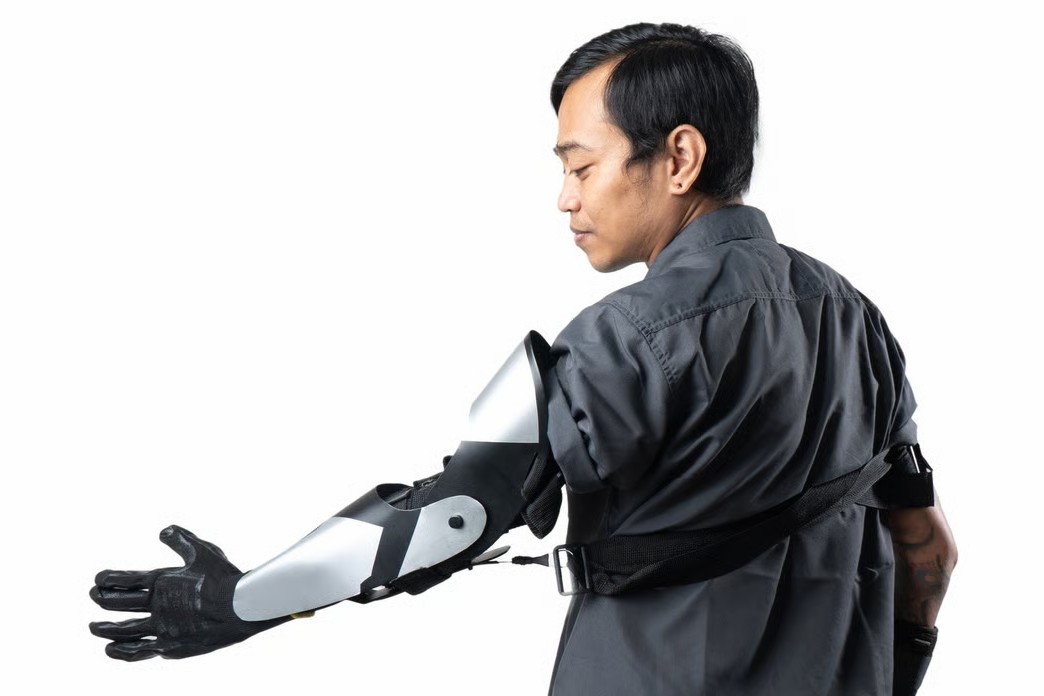
Indonesian startup KARLA Bionics and Malaysian technology company Empowered Solutions are collaborating to develop AI-powered prosthetics, strengthen local manufacturing capacity, and reduce Indonesia’s dependence on imported medical devices (09/10).
The partnership combines artificial intelligence (AI), generative design software, and three-dimensional (3D) printing to support prosthetic development and expand access to the technology.
AI-Powered Prosthetics in Indonesia Target Local Manufacturing
The collaboration focuses on developing AI-powered software that helps design prosthetic sockets, the components that connect a user's residual limb to a prosthetic device, such as an artificial leg. The software uses measurement data or three-dimensional scans to generate designs adapted to each user's anatomy.
Arief Indra Muharam, co-founder and chief executive officer of KARLA Bionics, said Indonesia's prosthetics industry faces challenges involving technology, access, professional expertise, and financing.
According to Arief, many people who need prosthetic devices are blue-collar workers who have experienced workplace accidents and cannot return to their previous jobs.
Internal data from the developers show that approximately 90% of the users they serve require financial assistance to obtain prosthetic devices. The remaining 10% can purchase the products independently.
"This situation shows that medical technology innovation must be accompanied by adequate financing and distribution mechanisms. Without this support, developed products risk failing to reach the people who need them most," Arief said on October 9, 2026.
AI could help accelerate prosthetic design and improve consistency. The technology could also support more structured manufacturing processes, particularly for components that require specialized technical skills.
Generative AI and 3D Printing Support Prosthetic Development
Prosthetic sockets must be designed to match each user's physical condition. Differences in anatomy and amputation conditions mean that the same design cannot be applied to every user.
An unsuitable socket can cause discomfort and reduce the effectiveness of a prosthetic device. Measurements, design adjustments, and fitting therefore remain important parts of the development process.
Through its collaboration with Empowered Solutions, KARLA Bionics aims to use AI to translate anatomical data into designs that can be processed through digital manufacturing.
Muhammad Hafizuddin, co-founder and chief executive officer of Empowered Solutions, said AI is expected to improve development efficiency and support production standardization.
The developers are also exploring standardization for selected components. This approach could reduce dependence on manufacturing processes in which every component is made entirely to individual specifications, while retaining the adjustments required for each user.
If implemented appropriately, standardization could increase production capacity and create opportunities for more businesses to enter the prosthetics industry.
Three-dimensional printing is another part of the strategy. The technology allows production to take place closer to users, potentially shortening distribution chains and reducing dependence on products shipped from overseas.
However, AI-assisted development must still include clinical validation, professional supervision, and testing to ensure that products meet safety requirements and users' needs.
Affordability and Rehabilitation Remain Major Challenges
The cost of prosthetic devices remains a major challenge, particularly for people who cannot afford to purchase them independently. Arief said the industry needs sustainable financing, distribution, and service mechanisms, especially for people who lose their ability to work after accidents.
Limited information about users' needs also affects product development. Available administrative data do not fully describe the specific conditions and requirements of communities in the field.
To reach potential users, developers need to work with communities, social groups, and grassroots networks.
"This approach is necessary to ensure that the technology designs being developed are suited to the conditions of users in Indonesia," Arief said.
Access to rehabilitation services is another concern. According to the developers' internal records, 76 people had been identified as needing prosthetic hands, and 56 had obtained access to the devices.
However, among the people interviewed, only two were reported to have received complete rehabilitation covering both medical and social aspects. These figures are internal data from the developers and cannot be generalized to represent all prosthetic users in Indonesia.
The findings highlight the need to accompany device provision with guidance, user training, and physical adjustments so that recipients can use their prosthetics effectively.
The developers said cooperation among healthcare facilities, medical professionals, prosthetics practitioners, and technology providers is needed to establish integrated services.
Indonesia–Malaysia Partnership Targets Local Manufacturing
The collaboration aims to integrate design capabilities, software, and digital manufacturing into a more connected production chain. According to Hafizuddin, the choice of an Indonesian partner was based on shared objectives, experience in prosthetics, and opportunities to develop technology together.
"Through this collaboration, design capabilities, software, and digital manufacturing are expected to be developed into a more integrated production chain," Hafizuddin said.
Strengthening domestic manufacturing could create opportunities in prosthetic production, software development, design data processing, materials supply, and workforce training.
The developers also aim to reduce dependence on imported products, as disruptions to international supply chains can affect product availability and the continuity of technology development.
The partnership includes efforts to strengthen clinical validation, standardize manufacturing processes, and improve understanding of biocompatible material requirements. These measures are necessary because products that can be manufactured technically do not automatically meet all the requirements for use in healthcare services.
The companies are also exploring the development of a prosthetics innovation center in the KPP area. The planned facility is intended to support technology development, professional learning, and knowledge and technology transfer between the partners.
The initiative is expected to bring hardware, software, prosthetic design, and digital manufacturing together within one ecosystem, helping direct innovations toward more structured production and distribution.
Export Plans Depend on Manufacturing and Clinical Standards
In the longer term, KARLA Bionics and Empowered Solutions aim to expand their markets, including through potential exports in collaboration with Malaysia. The developers plan to develop products for international markets over a seven-year period.
The realization of this target will depend on meeting clinical standards, maintaining consistent production quality, strengthening manufacturing capacity, and establishing sustainable distribution networks.
The collaboration focuses on integrating AI, 3D printing, and domestic production capabilities to develop Indonesia's prosthetics industry while addressing the financing, distribution, clinical validation, and rehabilitation requirements associated with the technology.
PHOTO: KARLA BIONICS
This article was created with AI assistance.
We make every effort to ensure the accuracy of our content, some information may be incorrect or outdated. Please let us know of any corrections at [email protected].
Read More