





 Saturday, 13-06-26








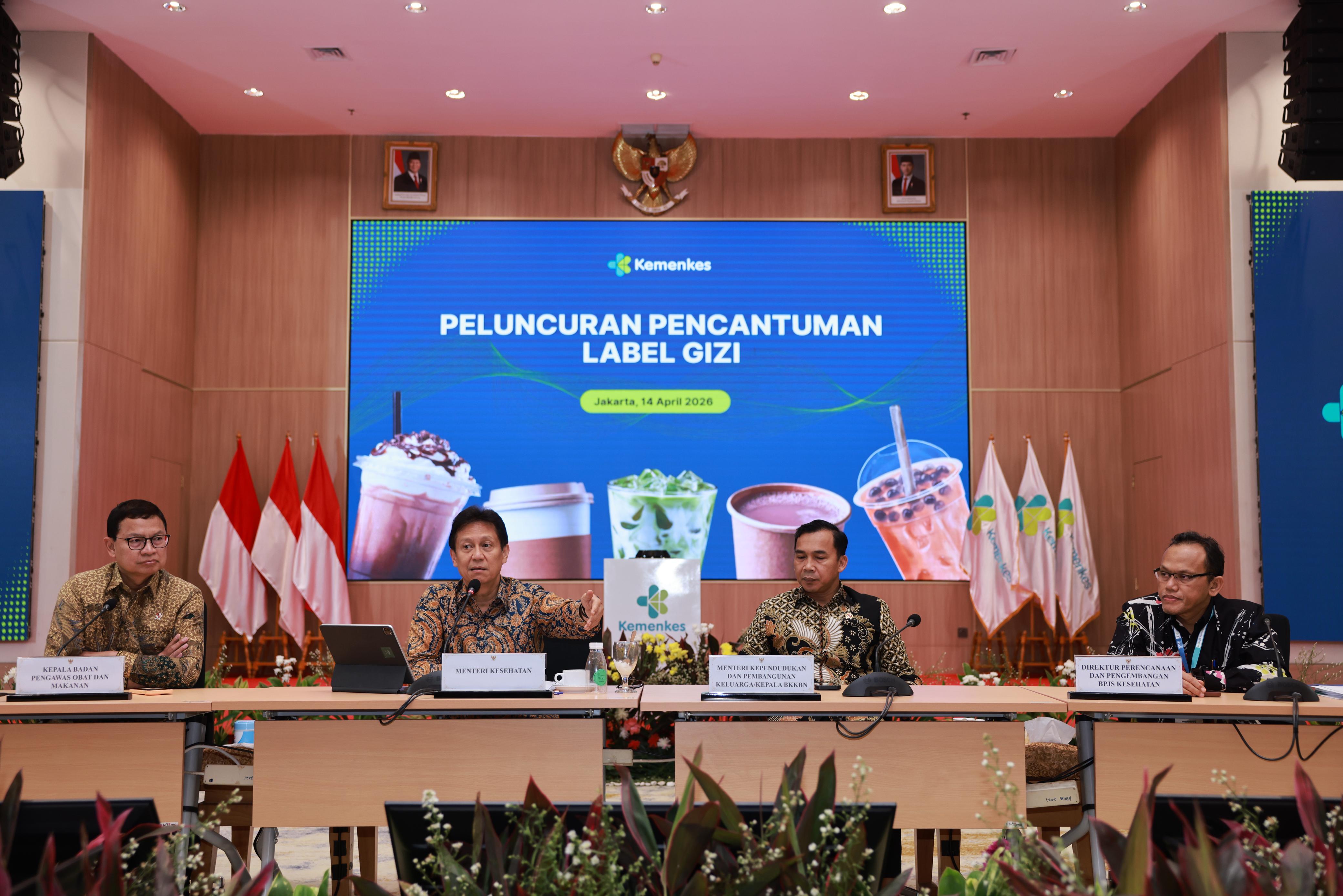
The Ministry of Health (Kementerian Kesehatan/Kemenkes) has issued a regulation requiring the implementation of Nutri Level nutrition labeling on ready-to-eat food products, particularly sugar-sweetened beverages, targeting large-scale business operators in Indonesia (14/04).
The policy is set out in Minister of Health Decree (KMK) Number HK.01.07/MENKES/301/2026 on nutrition labeling and health messages for ready-to-eat food, issued on Tuesday (14/4). It is designed as part of efforts to improve public access to nutritional information and support healthier consumption patterns.
Policy Aims to Reduce Sugar, Salt, and Fat Consumption Risks
The regulation is intended to reduce excessive consumption of sugar, salt, and fat (GGL), which are associated with non-communicable diseases.
These diseases include obesity, hypertension, cardiovascular disease, stroke, and type 2 diabetes. Minister of Health Budi Gunadi Sadikin stated that the policy is an educational measure to help the public make healthier food choices.
He also explained that the policy aligns with the Health Law mandate to harmonize cross-sector health prevention efforts.
“The Ministry of Health is responsible for regulating ready-to-eat food, while processed food products fall under the authority of the Food and Drug Supervisory Agency (BPOM),” he said.
Rising Non-Communicable Disease Burden and BPJS Costs
The government highlighted that several major diseases contributing to healthcare spending are linked to excessive GGL consumption.
One example is kidney failure, where BPJS Health financing has increased by more than 400 percent, rising from IDR 2.32 trillion in 2019 to IDR 13.38 trillion in 2025.
This increase reflects a growing burden on the national health financing system, according to the Ministry of Health data cited in the regulation context.
Nutri Level A–D System and Labeling Requirements
The Nutri Level system classifies products into four levels based on GGL content. Level A is marked in dark green, Level B in light green, Level C in yellow, and Level D in red.
Level A represents the lowest GGL content, followed by increasing levels up to Level D, which indicates the highest content.
The label must be displayed across various media, including menus, packaging, brochures, banners, flyers, digital applications, and other informational platforms.
Products such as bubble tea, milk tea, palm sugar coffee, and juices produced by large-scale businesses are required to include Nutri Level labeling and health messages.
Classification is based on self-declaration by business operators supported by laboratory testing from government-accredited or other accredited laboratories.
Scope of Implementation and Business Exemptions
The regulation is initially applied to large-scale businesses and does not target micro, small, and medium enterprises such as small food stalls, carts, or simple traditional restaurants.
The Ministry of Health stated that the policy is part of public education efforts to help consumers identify healthier ready-to-eat food options.
PHOTO: MINISTRY OF HEALTH
This article was created with AI assistance.
We make every effort to ensure the accuracy of our content, some information may be incorrect or outdated. Please let us know of any corrections at [email protected].
Read More