





 Tuesday, 28-07-26








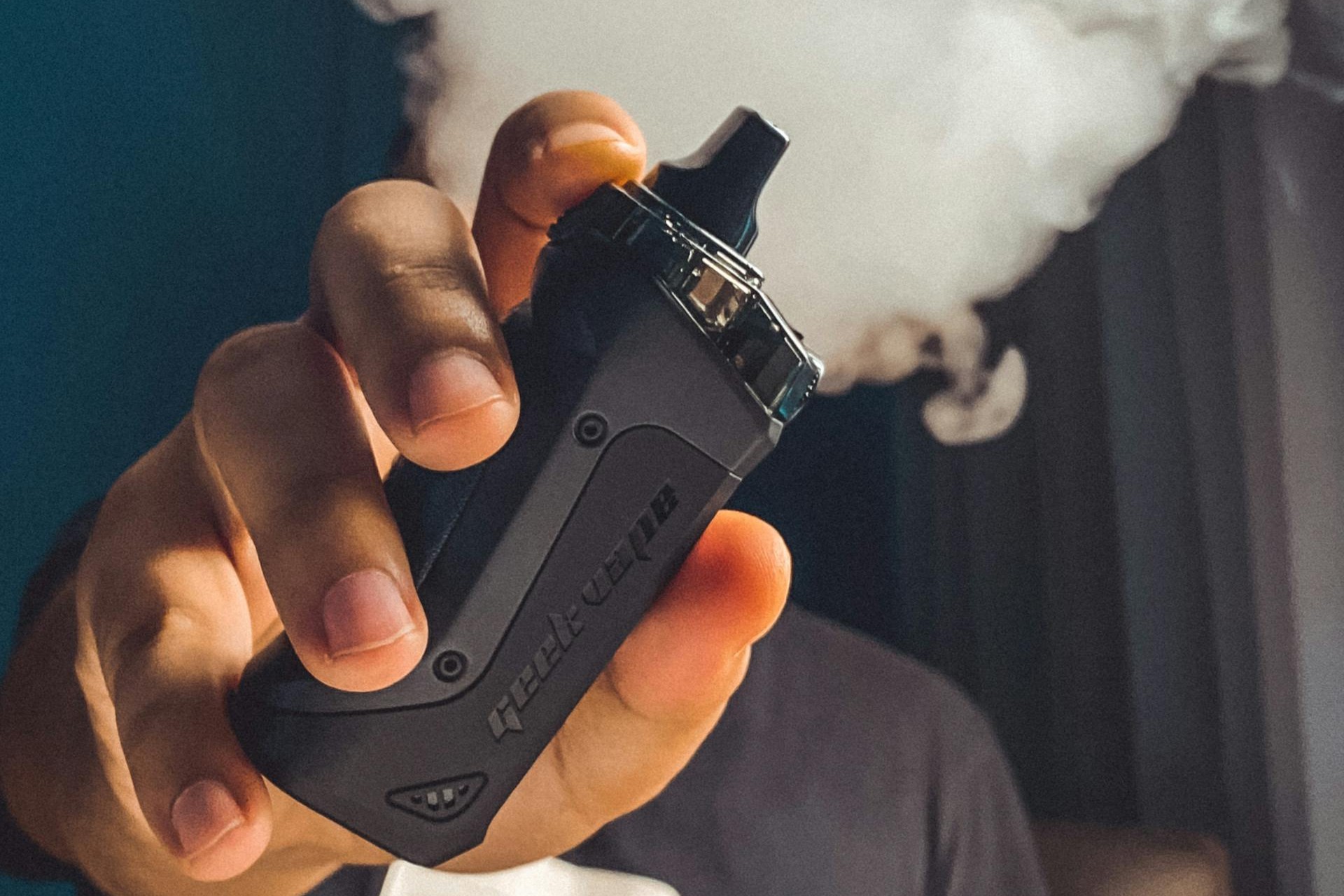
The Ministry of Health is preparing the implementation of electronic cigarette regulations that will align vape control with conventional cigarette regulations (16/04).
The policy refers to Government Regulation (PP) No. 28 of 2024, which sets out measures for tobacco control, including electronic cigarettes.
According to the ministry, the regulation follows the same principles applied to traditional cigarettes in terms of public health protection.
Age Restrictions and Social Media Advertising Controls Introduced
Under the planned regulation, the use of electronic cigarettes will be prohibited for individuals under the age of 21.
The government will also tighten restrictions on advertising and promotion, including limitations on social media platforms.
“Regulation of electronic cigarettes under PP No. 28 of 2024 includes age restrictions, advertising control, and product content standards,” said Aji Muhawarman, Head of the Bureau of Communication and Public Services at the Ministry of Health.
Vape Product Standards Set for Nicotine Content and Safety
Electronic cigarette products will be required to meet maximum nicotine content standards under the new rules.
The regulation also prohibits the inclusion of additional substances that may pose health risks.
The Ministry of Health stated that these provisions are part of efforts to ensure product safety standards similar to conventional tobacco control.
Implementation Targeted for July 2026 with Public Education Efforts
The government is targeting the implementation of the policy to begin in July 2026.
At present, the regulation is still in the preparation stage, including public education and socialization efforts.
“We are also conducting socialization and education on the health impacts of electronic cigarettes together with health organizations and professional bodies,” said Aji Muhawarman.
BNN and Experts Call for Stronger Vape Regulation Measures
The National Narcotics Agency (BNN) and the House of Representatives (DPR) have expressed support for stricter regulation, including potential bans on vape products.
This follows findings from BNN indicating that vape devices have been used to consume narcotics substances.
BNN Chief Commissioner General Suyudi Ario Seto said vape has been used to consume dangerous substances such as etomidate, which is classified as a Category II narcotic.
“We believe that if vape is banned, the circulation of etomidate can also be significantly reduced, similar to how methamphetamine use always requires a bong as a consumption medium,” he said.
Professor Faisal Yunus from the Faculty of Medicine, University of Indonesia, stated that the regulation still needs to be strengthened, particularly to protect vulnerable groups such as adolescents.
He added that factors such as easy access, attractive flavors, and youth-targeted marketing must be addressed. He also cited stricter approaches in other countries, including bans on disposable products, flavor restrictions, and tighter advertising controls.
PHOTO: PEXELS
This article was created with AI assistance.
We make every effort to ensure the accuracy of our content, some information may be incorrect or outdated. Please let us know of any corrections at [email protected].
Read More